Published on 26/12/2025
Understanding Seasonal Allergies and What You Can Do About Them
Post updated on 14/06/2026
Seasonal allergies, commonly referred to as hay fever, can trigger a range of irritating symptoms that disrupt daily life. If you find yourself sneezing, sniffling, or feeling congestion during certain times of the year, this article is for you. We will explore the causes and triggers of seasonal allergies, practical relief options you can implement at home, and preventive measures to reduce the impact of these allergies on your life.
It’s essential to understand that while home remedies can alleviate symptoms, they are not a substitute for professional medical advice, especially if symptoms worsen. Always consult a healthcare provider for persistent or severe symptoms.
What Causes Seasonal Allergies? 🌿
Seasonal allergies predominantly arise due to pollen released by trees, grasses, and weeds during specific seasons. In India, the peak seasons for these allergens can vary based on
- Pollen from Trees: In many Indian cities, trees like neem, banyan, and peepal produce pollen in spring.
- Grass Pollen: Grass pollens are prevalent during late spring to early summer. Common grasses include Bermuda, Timothy, and Ryegrass.
- Weed Pollen: In autumn, weeds like ragweed and sagebrush release pollen, contributing to hay fever symptoms.
In addition to pollen, other factors can exacerbate seasonal allergies. Dust mites, mold spores, and pet dander are common irritants. When these allergens enter the nasal passages, your immune system reacts by releasing histamines, which leads to inflammation, sneezing, itching, and other symptoms.
Common Symptoms of Hay Fever 🌬️
The symptoms of seasonal allergies can vary from person to person, but common hay fever symptoms include:
- Sneezing: A frequent, uncontrollable action to expel allergens from your nasal cavity.
- Runny Nose: Continuous clear discharge or nasal congestion.
- Itchy Nose and Throat: A common reaction that can lead to coughing or discomfort.
- Watery Eyes: Itchy, red, or swollen eyes due to histamine release.
- Fatigue: Chronic fatigue can result from the body’s excessive irritation response.
If you are experiencing severe symptoms, it is crucial to recognize them as potential indicators of an allergy and seek proper diagnosis and advice. Seasonal allergies can be particularly troubling in children and individuals with respiratory conditions such as asthma.
Quick Relief Checklist for Seasonal Allergy Symptoms ✅
Here are some immediate steps you can take for quick relief from seasonal allergy symptoms:
- Stay Indoors: On high pollen days, limit outdoor activities.
- Use Air Purifiers: Incorporate air purifiers to filter out pollen and allergens.
- Saline Nasal Rinse: Use a saline solution to rinse your nasal passages; it helps thin mucus and remove allergens.
- OTC Antihistamines: Over-the-counter antihistamines can help relieve symptoms; ensure you follow dosage instructions.
- Cold Compress: Apply a cold compress over your eyes and sinuses to alleviate itching and swelling.
Natural Remedies for Seasonal Allergies 💧
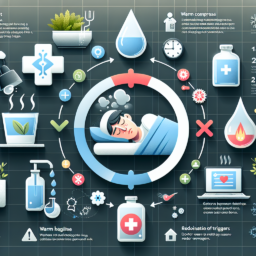
In addition to quick relief options, consider integrating the following natural remedies into your routine:
- Honey: Local honey may help build immunity against local pollen. Taking a teaspoon daily can provide some benefits.
- Turmeric Milk: Turmeric has anti-inflammatory properties. Mix a teaspoon of turmeric powder in warm milk and drink it before bedtime to help reduce symptoms.
- Ginger Tea: Ginger is known for its anti-inflammatory effects. Steep some fresh ginger in hot water, add honey and lemon for flavor, and sip it to soothe your throat and alleviate symptoms.
- Steam Inhalation: Boil water and add eucalyptus oil to provide relief by clearing nasal pathways.
- Essential Oils: Diffusing oils like peppermint and lavender can help relieve allergy symptoms. Ensure you are not allergic to the oils before using them.
How to Prevent Seasonal Allergies ✅
Preventing seasonal allergies is crucial for managing symptoms effectively. Here are some tips:
- Monitor Pollen Counts: Keep track of local pollen forecasts and stay indoors when counts are high.
- Change Clothes After Outdoor Activities: Pollen can cling to clothing, so changing clothes upon returning indoors can reduce exposure.
- Shower Before Bed: Cleaning pollen off your body and hair before sleeping can significantly reduce nighttime symptoms.
- Keep Windows Closed: Use air conditioning rather than opening windows during pollen season to keep indoor air clean.
- Regular Cleaning: Frequently dust and vacuum your home using a vacuum equipped with a HEPA filter.
When to See a Doctor ⚠️
While many people experience mild to moderate symptoms from seasonal allergies, it is essential to watch for red flags. You should seek medical attention if:
- Your symptoms persist despite home treatment.
- You experience difficulty breathing or wheezing.
- There are severe headaches not relieved by medications.
- You develop a high fever or facial swelling.
- Your eyes become severely swollen or painful.
In such cases, consult a healthcare professional to receive thorough evaluations and discuss treatment options. They may recommend allergy testing or prescribed medication for your symptoms.
Related Reads
FAQs
What are the differences between seasonal allergies and food allergies?
Seasonal allergies, or hay fever, are triggered by environmental allergens like pollen, while food allergies stem from specific foods that cause immune responses. Symptoms also differ significantly between the two.
Can seasonal allergies be cured?
There is currently no cure for seasonal allergies, but symptoms can be managed effectively with the proper approach and medications.
Are there foods that can help with allergies?
Foods rich in Omega-3 fatty acids, such as fish, and anti-inflammatory foods like turmeric and ginger can help mitigate some allergy symptoms.
How long do seasonal allergies last?
Seasonal allergies can last from a few weeks to several months, depending on the pollen seasons in your area and personal sensitivity.
Can allergies cause headaches?
Yes, sinus pressure from allergic reactions can lead to headaches. Managing allergy symptoms can help alleviate these headaches.
Is it safe to exercise during pollen season?
Exercise is healthy, but on high pollen days, consider indoor workouts to avoid triggering allergy symptoms. Always listen to your body.
Can children have seasonal allergies?
Yes, children can develop seasonal allergies, and their symptoms may present differently. If you suspect your child has allergies, consult a doctor for appropriate testing.
Are there any long-term effects of untreated seasonal allergies?
Untreated seasonal allergies can lead to chronic nasal congestion, ear and sinus infections, and exacerbate asthma or other respiratory diseases.
Ultimately, understanding seasonal allergies can empower you to manage and mitigate their impact effectively. Remember to consult a healthcare professional for persistent symptoms and never hesitate to seek medical attention if needed.
Medical Disclaimer: The content provided in this article is for informational purposes only and is not intended as a substitute for professional medical advice, diagnosis, or treatment. Always seek the advice of your physician or other qualified health provider with any questions you may have