Published on 26/12/2025
Understanding Hay Fever: Causes, Triggers, and Management Techniques
Post updated on 03/07/2026
Hay fever, also known as allergic rhinitis, is a common condition characterized by symptoms such as sneezing, a runny nose, itchy eyes, and nasal congestion. This condition occurs when your body reacts to certain allergens, leading to an inflammatory response in your nasal passages. In this article, we will explore the various causes and triggers of hay fever, practical relief methods, and effective prevention strategies that can help you manage your symptoms.
Addressing hay fever effectively requires understanding what triggers your symptoms and knowing how to relieve them. From common household remedies to lifestyle adjustments, we’ll cover comprehensive strategies to help you find relief from hay fever and improve your quality of life.
What Causes Hay Fever? 🌿

Hay fever is primarily caused by an allergic reaction to environmental allergens. Understanding the underlying causes is crucial for effective management. The
- Seasonal Allergic Rhinitis: This type occurs during specific seasons, often due to pollen from trees, grasses, and weeds. In India, you might experience symptoms during the monsoon or spring seasons when plant life flourishes.
- Perennial Allergic Rhinitis: This occurs year-round and is primarily triggered by indoor allergens such as dust mites, mold spores, pet dander, and cockroach droppings.
When you come in contact with these allergens, your immune system mistakenly identifies them as threats, releasing histamine and other chemicals. This immune response results in symptoms like nasal congestion, sneezing, and itchy eyes.
Common Allergy Triggers for Hay Fever ⚠️
Recognizing common triggers is an important step in managing your hay fever symptoms. Here are some prevalent allergy triggers to watch out for:
- Pollen: Grass, tree, and weed pollens are major seasonal triggers. In urban areas of India, pollen counts can be particularly high in the spring and monsoon months.
- Dust Mites: These tiny organisms thrive in warm, humid environments, often residing in bedding, upholstered furniture, and carpets.
- Mold Spores: Mold can grow in damp areas such as bathrooms and kitchens, and spores can affect those with hay fever, especially during the rainy season.
- Pet Dander: Proteins found in the skin cells, urine, and saliva of pets can trigger an allergic reaction in sensitive individuals.
- Smoke and Pollution: Pollutants from vehicles and tobacco smoke can exacerbate hay fever symptoms and irritate the airways.
Being mindful of these triggers can assist you in reducing your exposure, which is vital for managing your condition more effectively.
Practical Relief Methods for Hay Fever 💧
While it’s essential to avoid triggers whenever possible, there are practical home remedies and approaches you can use to find relief from hay fever symptoms:
- Saline Nasal Rinse: Using a saline rinse with a neti pot or nasal spray can help clear out allergens from your nasal passages. This practice can reduce congestion and improve breathing.
- Cold Compress: Applying a cold compress to your eyes can soothe itchiness and reduce swelling. You can use a clean cloth soaked in cold water or ice wrapped in a towel.
- Steam Inhalation: Inhaling steam can help ease congestion. Adding a few drops of eucalyptus oil to hot water or simply doing this in the shower can be helpful.
- Stay Hydrated: Drinking plenty of water helps thin mucus in the airways, making it easier for your body to expel allergens.
- Over-the-Counter Antihistamines: Antihistamines like cetirizine or loratadine can help block the release of histamine, alleviating hay fever symptoms. However, consult a doctor before starting any medication.
These relief measures can help you manage your symptoms effectively, especially during peak allergy seasons.
Everyday Practices for Preventing Hay Fever Symptoms ✅
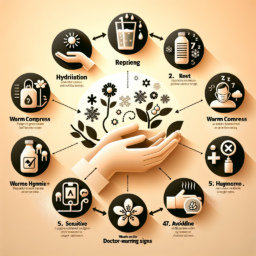
Implementing certain lifestyle practices can significantly reduce the frequency and severity of your hay fever symptoms. Here are some everyday tips:
- Avoid Outdoor Exertion: Try to limit outdoor activities, especially on high pollen days. If you must go outside, do so in the early morning or after rain when pollen levels are lower.
- Keep Windows Closed: Use air conditioning in your home and vehicle rather than opening windows to avoid pollen influx.
- Change Clothes After Being Outdoors: Pollen can cling to your clothes, so change and shower immediately after being outside. This helps reduce indoor allergen levels.
- Regular Cleaning: Dust and vacuum your living spaces regularly using a vacuum with a HEPA filter to reduce dust mites and dander.
- Use Allergy-Proof Covers: Cover your pillows and mattresses with allergy-proof covers to reduce exposure to dust mites while you sleep.
Sticking to these practices can help create a more allergy-friendly environment at home and reduce symptoms.
Quick Relief Checklist for Hay Fever ✅
If you’re experiencing hay fever symptoms, refer to this quick relief checklist to find immediate comfort:
Related Reads
- ✓ Use a saline nasal rinse to clear sinuses.
- ✓ Apply a cold compress to itchy eyes.
- ✓ Stay hydrated and drink warm fluids.
- ✓ Take an antihistamine if advised by your doctor.
- ✓ Use a humidifier to keep indoor air moisturized.
When to See a Doctor ⚠️
It’s essential to be aware of when you should seek professional medical advice regarding hay fever. Here are some red flags:
- ⚠️ If symptoms persist despite home remedies and over-the-counter medications.
- ⚠️ If you experience severe symptoms, such as difficulty breathing or swelling in the throat or face.
- ⚠️ If you have a fever that accompanies your allergy symptoms.
- ⚠️ If hay fever symptoms interfere significantly with your daily life or sleep.
In such cases, a doctor can provide a comprehensive assessment and recommend appropriate treatments, which may include prescription medications or allergy tests.
FAQs

What is hay fever?
Hay fever is an allergic reaction to pollen or other allergens, causing symptoms like sneezing, runny nose, and itchy eyes.
Can hay fever occur year-round?
Yes, perennial allergic rhinitis can cause year-round symptoms due to indoor allergens like dust mites and pet dander.
Are there foods that can trigger hay fever symptoms?
Some individuals may experience cross-reactivity with certain foods like apples and carrots if they are allergic to pollen.
How can I tell if I have hay fever or a common cold?
Hay fever symptoms usually persist when exposed to allergens, while colds are generally accompanied by fever and last about a week.
Are antihistamines effective for hay fever?
Yes, over-the-counter antihistamines can help alleviate the symptoms of hay fever by blocking histamine release.
Can air purifiers help with hay fever?
Yes, using air purifiers helps reduce indoor allergens such as dust and pollen, potentially easing hay fever symptoms.
Is there a cure for hay fever?
There is no cure, but symptoms can be effectively managed through avoidance and treatment strategies.
What should I do if my child has hay fever?
Consult with a pediatrician for proper diagnosis and recommended medication or treatment strategies for your child.
Medical Disclaimer: This article is intended for informational purposes only and should not be considered as medical advice. Always consult a healthcare professional for specific medical concerns or conditions.